Rockstar Makes Masterpieces but Keeps Botching Its Old Games
Rockstar’s classic remasters, from GTA trilogy disaster to Red Dead Redemption’s barebones port, reveal a pattern of minimal effort for maximum profit.
When a developer spends nearly a decade perfecting a single open world, players tend to take notice. Rockstar Games has built its reputation on that kind of obsession — the kind that birthed the living, breathing frontier of Red Dead Redemption 2 and the still-unmatched sandbox of Grand Theft Auto V. These aren’t just video games; they’re monuments to time, money, and sheer will. Yet, for all its lavish spending on new projects, the studio treats its back catalog like a dusty attic it only visits when rent is due.
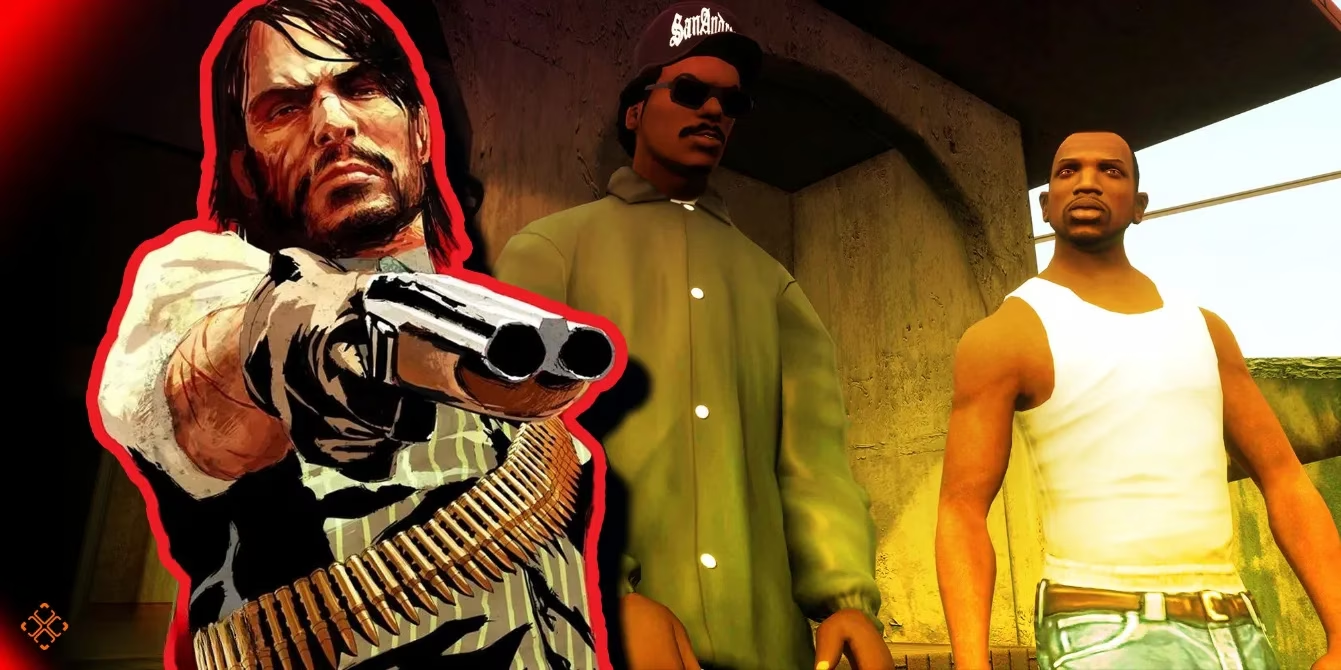
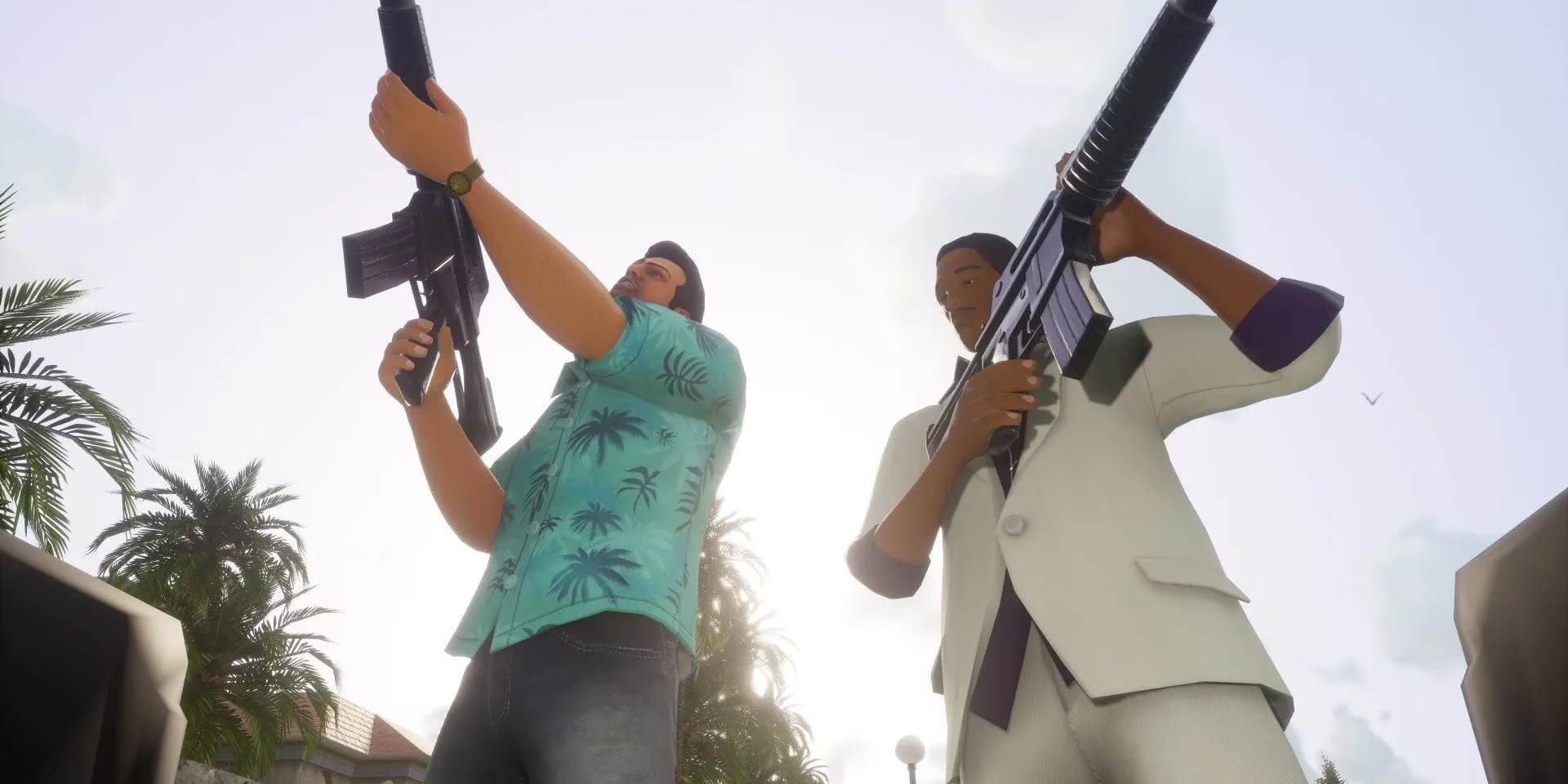
When Grand Theft Auto: The Trilogy – The Definitive Edition dropped in 2021, fans expected a loving touch-up of three genre-defining classics. Instead, they got a digital car wreck. The remasters of GTA III, Vice City, and San Andreas were riddled with grotesque character models — poor Claude looked less like a silent criminal and more like a sleep-deprived action figure — along with rain effects so aggressive that players joked they’d washed the nostalgia right off the screen. Technical glitches ran rampant, iconic soundtrack songs went missing, and the extended draw distance somehow made the vast worlds feel tiny and cheap. In a particularly baffling move, the remasters scrubbed away the original games’ distinct color filters, swapping out sun-baked Vice City vibes for a sterile, generic sheen. The whole effort screamed “quick cash grab,” and critics and fans alike didn’t hold back.
Honestly, you’d think after that disaster, Rockstar would have taken a long, hard look in the mirror. But no. Fast forward to 2023, and the company announces a Red Dead Redemption “re-release” for PS4 and Switch. A 13-year-old masterpiece, suddenly available again — sounds great, right? Well, not at $49.99 for a naked port with zero enhancements. No 4K, no 60fps (on console, at least initially), not even a PC version at launch. John Marston’s legendary ride was being sold at modern-blockbuster price with all the care of a garage sale. The online community erupted; sure, the game itself remains a gem, but the effort level felt insulting.
By 2026, the picture has improved — barely. PC players finally got their hands on the original Red Dead Redemption in late 2024, two years after the console port. While the PC version does offer higher resolutions and uncapped frame rates, it’s still just a port, not the full-blown remake many were hoping for. And yes, it still costs a premium. The lingering question remains: Why is Rockstar, a company that practically prints money with GTA Online and Red Dead Online, so allergic to giving its legacy titles the royal treatment? This isn’t some indie studio scrambling for resources. Grand Theft Auto V has generated billions; Red Dead Redemption 2 was, at launch, the biggest entertainment product release in history. The company has the cash to hire entire studios dedicated solely to remakes, yet it repeatedly fumbles the ball or simply doesn’t bother to pick it up.
Look, there’s nothing inherently wrong with a straightforward port. Plenty of older games shine perfectly well with just a compatibility bump. But when you’re charging top dollar and slapping a “Definitive” label on something, the word should mean more than “worse than what we put out 20 years ago.” Rockstar’s inconsistency is jarring: it’ll push the envelope with environmental detail in a single RDR2 horse’s testicles reacting to cold weather, but it won’t ensure that Tommy Vercetti’s hands look human in a paid remaster. You almost have to laugh.
The hope now, as the industry inches toward Grand Theft Auto VI’s inevitable launch, is that Rockstar finds its way back to respecting its own history. Because fans don’t just want to play these iconic games; they want to celebrate them. And celebration costs more than a bare-bones port. It requires effort, love, and maybe even — dare we say — a little of that John Hammond “spare no expense” attitude, applied to the past instead of only the future. Otherwise, Rockstar risks turning its legacy into a museum where half the exhibits are covered in plastic wrap, and the entrance fee just never seems worth it.