Red Dead Redemption 2: The Unmatched Realism of a Living, Breathing Wild West
Red Dead Redemption 2's immersive realism, from its authentic equine companions to its weighty firearms, creates a breathtakingly detailed simulation of the American frontier.
Even years after its initial release, the world of Red Dead Redemption 2 continues to astonish. Rockstar Games crafted not just a game, but a meticulously detailed simulation of the American frontier, where every element, from the smallest creature to the grandest landscape, operates with an almost tangible sense of life and consequence. This commitment to verisimilitude transforms the sprawling wilderness into a character itself, one that reacts, remembers, and evolves, creating an immersive experience that feels less like playing a story and more like inhabiting a forgotten chapter of history.
The Soul of the Steed: Equine Realism
Horses in Red Dead Redemption 2 are far more than mere vehicles; they are companions with distinct personalities and profound biological authenticity. Their behavior is a masterclass in environmental reactivity. They will spook at sudden noises, balk at predatory threats, and struggle across treacherous terrain. The game's attention to physiological detail is staggering: horses visibly pant when exhausted, leave droppings naturally, and even exhibit subtle anatomical changes, with testicles contracting in cold weather—a detail few players might notice but one that underscores the developers' obsessive dedication.
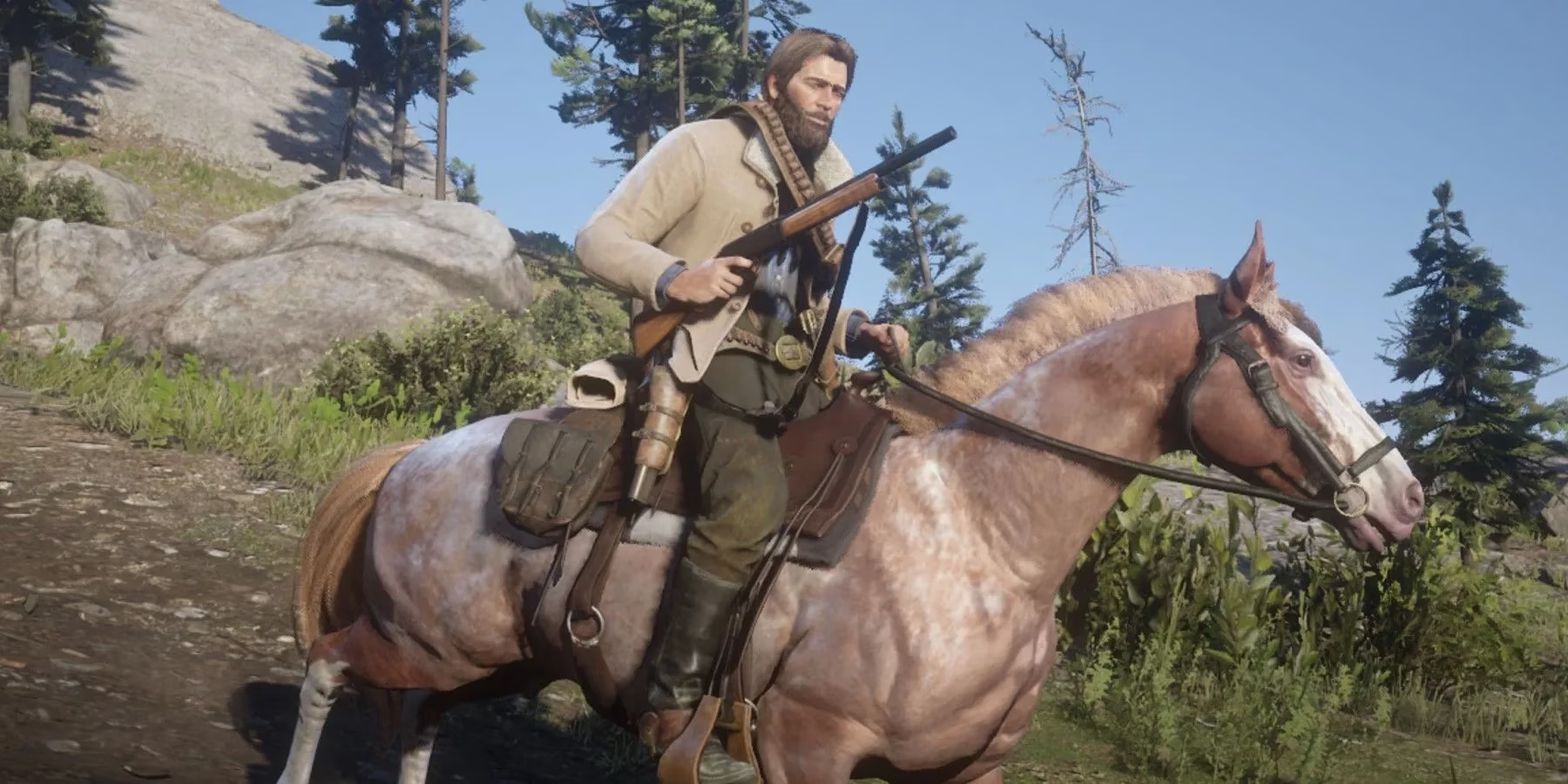
Maintenance is key to this relationship. Mud caked on hooves can impede agility, prompting the player to regularly brush their mount. A subtle yet significant distinction exists between wild-caught horses and domestic breeds: wild horses lack horseshoes, affecting their performance on hard surfaces. This ecosystem of care and consequence extends to the horse's temperament; mistreating your steed, such as by striking it, will rightly earn a violent, retaliatory kick. This intricate system ensures that every journey across the plains feels earned and every bond with your horse feels genuine.
The Weight of Iron: Authentic Firearms and Physics
While realistic weapon handling is common in military shooters, Red Dead Redemption 2 elevates it to an art form, embedding it deeply within its late-1800s setting. Firearms feel weighty and consequential, governed by realistic recoil and weapon sway. The reloading mechanic is a standout feature, abandoning generic animations for context-sensitive actions. Arthur Morgan will load individual bullets into a revolver's cylinder or a rifle's magazine, with the animation changing dynamically based on how many rounds are left—a meticulous process that makes every shot feel deliberate.
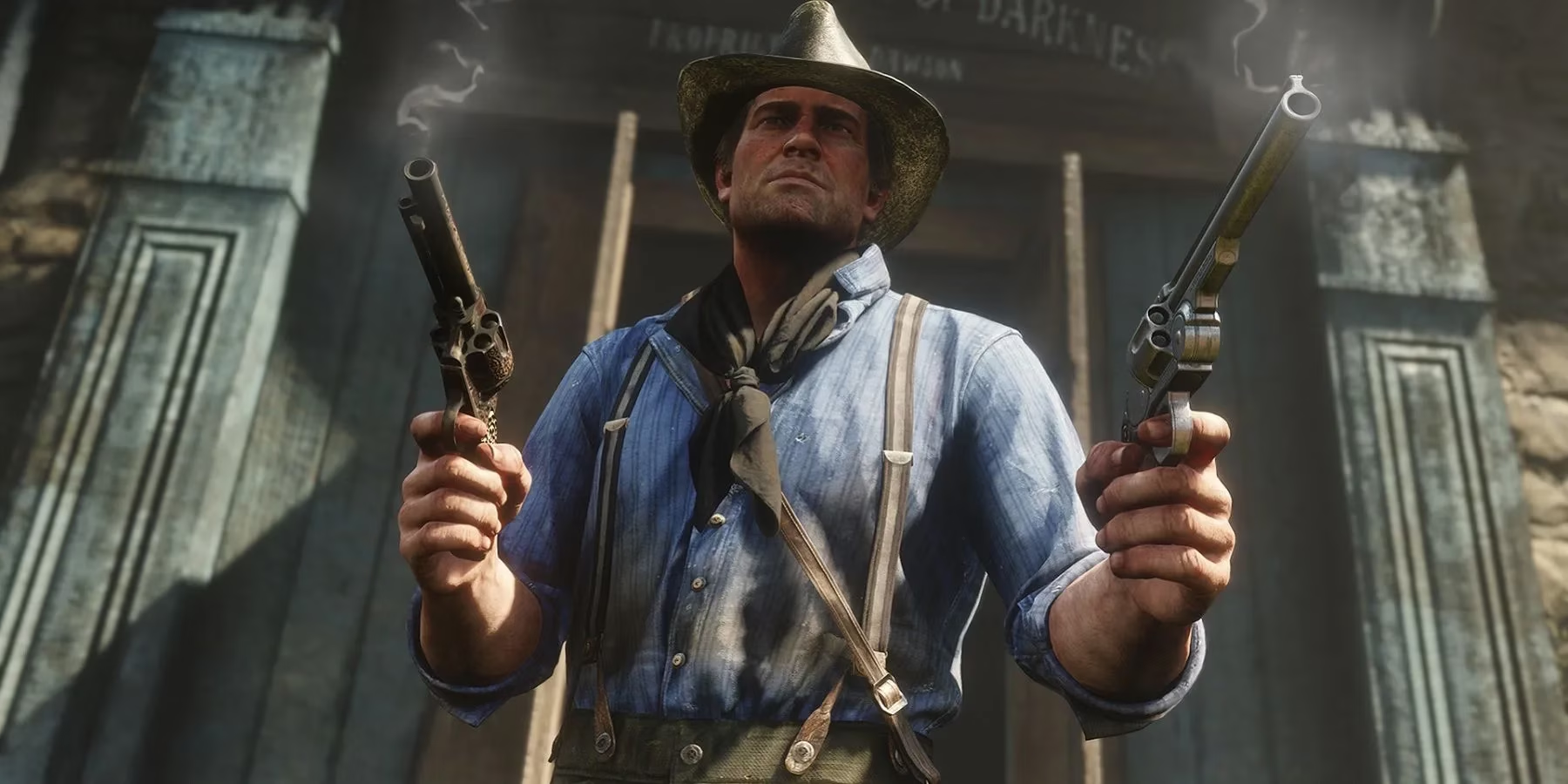
Projectile physics further deepen the realism. Arrows and bullets interact believably with the world:
-
Standard arrows may ricochet off hard wooden surfaces.
-
Improved arrows can pierce through trees and thin walls.
-
Weapon degradation is a constant concern; neglecting to clean your guns leads to fouling, increasing the chances of misfires and jams at critical moments. This demand for upkeep ensures that your tools are never taken for granted, mirroring the harsh reliability of life on the frontier.
A World That Breathes: Dynamic Environments and Decay
The environment of Red Dead Redemption 2 is a reactive, living entity, a fact that has fueled countless viral videos showcasing its emergent physics. The world doesn't just exist; it responds. Disturb its equilibrium, and you witness a chain of believable events:
-
Shooting a boat causes it to take on water and sink gradually.
-
Setting grass ablaze creates a spreading fire that leaves behind charred, ashen ground.
-
Causing an explosion on a hillside sends rocks tumbling down in a realistic avalanche.
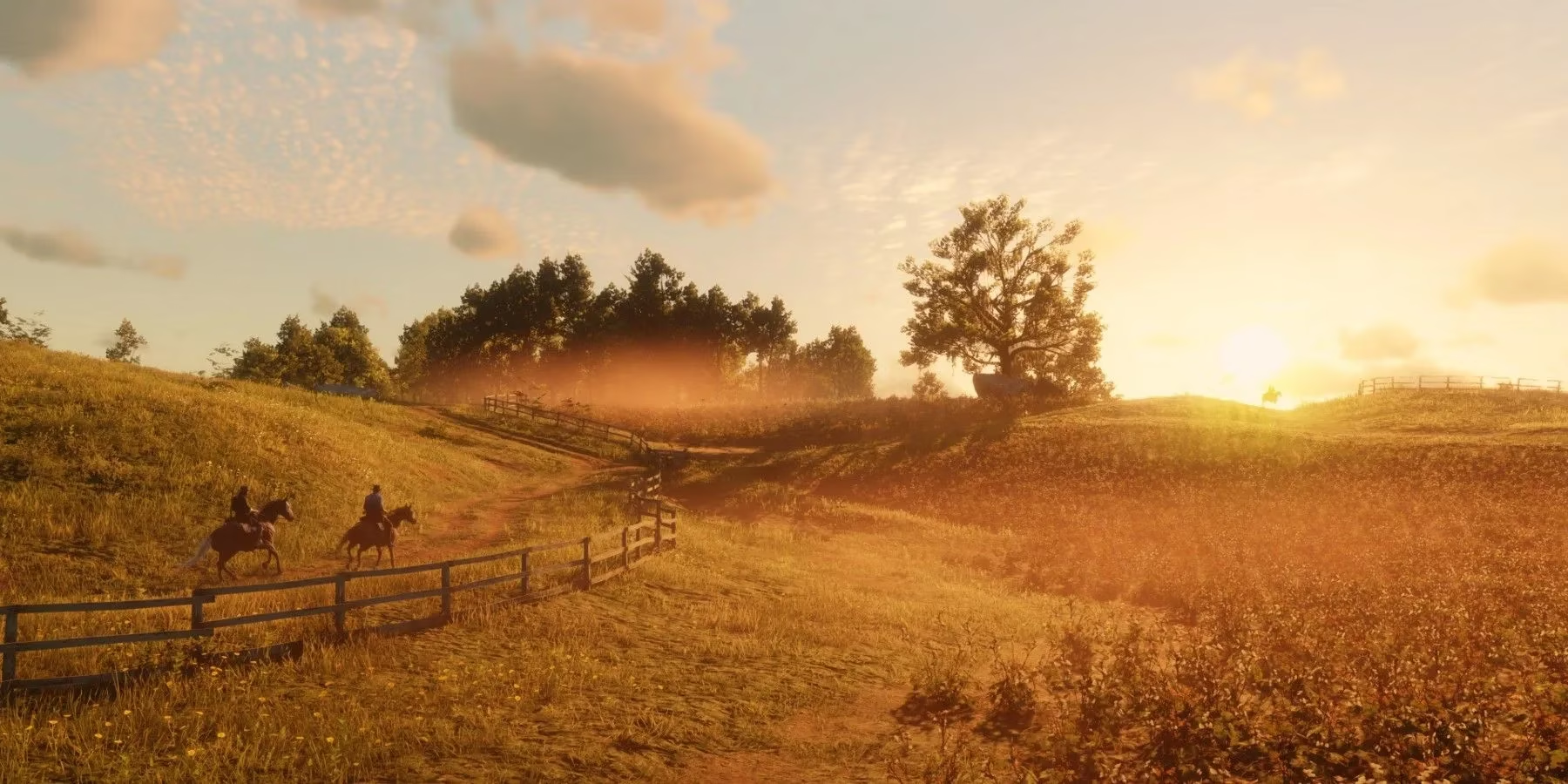
Perhaps the most grimly impressive technical feat is the game's decomposition system. Carcasses and bodies don't simply vanish; they undergo a gradual, visceral process of decay. Flesh discolors, rots, and is eventually stripped away by scavengers, leaving behind skeletal remains. This process is affected by environmental conditions—decomposition slows significantly in snowy climates. The scent of decay attracts a host of creatures, from circling vultures to insects and carnivores, creating a morbidly authentic ecosystem of death and renewal. This cycle reinforces the game's central theme: the relentless, unforgiving passage of time in the untamed West.
The Human Element: Complex and Memorable NPCs
While the environment and animals set a high bar, the human inhabitants of this world are equally nuanced. Non-player characters (NPCs) exhibit a depth of interaction rarely seen, moving beyond scripted routines to deliver organic, memorable encounters. Their social dynamics are complex; insult a man's partner, and you might instigate a brawl. Behave disruptively in your own gang's camp, and you risk being assaulted or expelled. Conversely, building camaraderie can lead to gang members proactively aiding you, even springing you from jail.
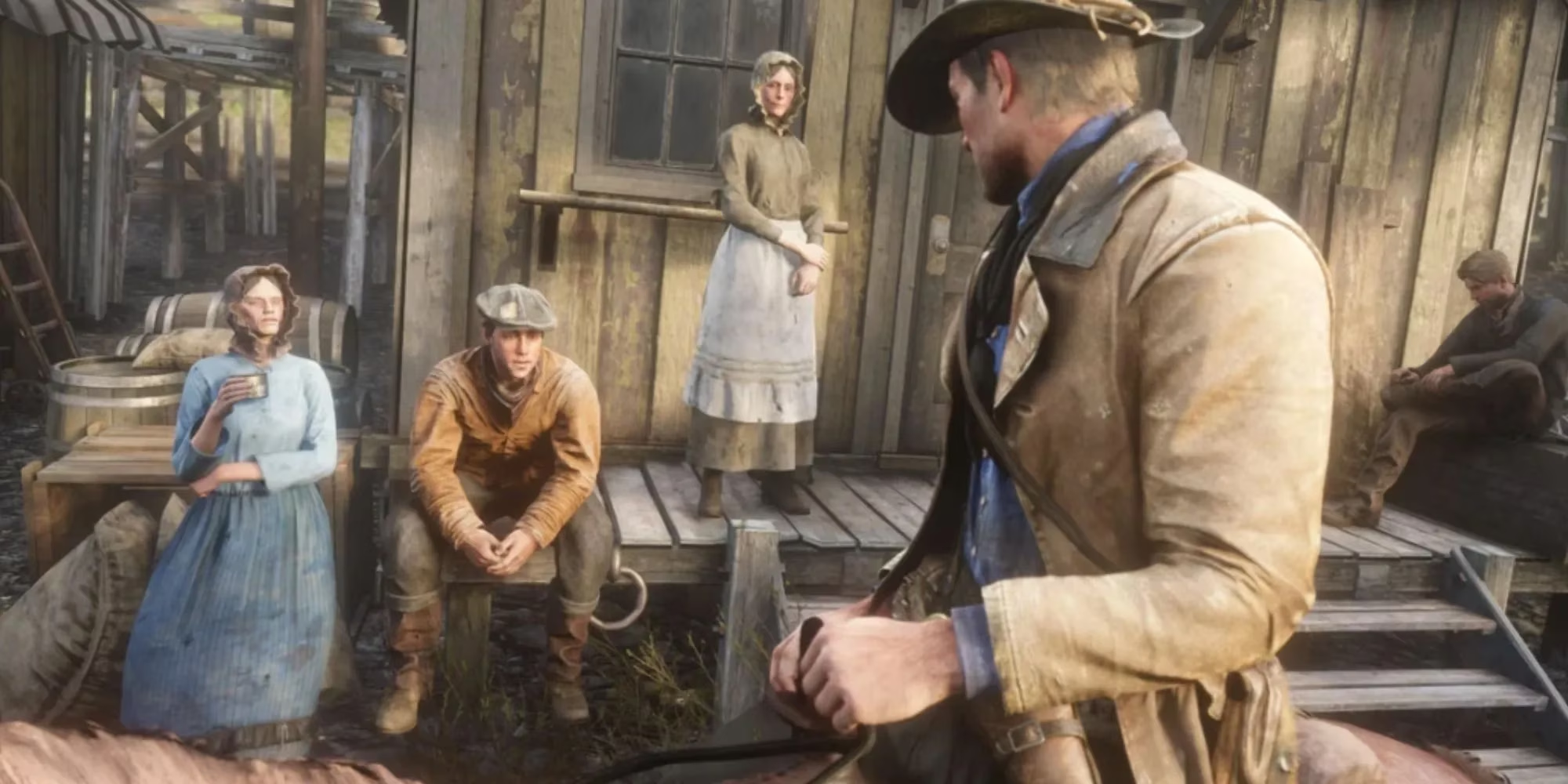
NPCs possess a remarkable sense of memory and agency. Actions have lasting consequences:
| Player Action | NPC Reaction |
|---|---|
| Injure a shopkeeper | They appear bandaged later and may refuse service out of fear. |
| Follow someone too long | They become suspicious and may confront you. |
| Commit a crime | Some may report to the law, while others may pursue vigilante justice. |
| Encounter a tied-up person in water | They will realistically struggle to keep their head above the surface. |
These systems create a world that feels authentically populated. Every stranger has a potential story, and every interaction carries the weight of potential consequence, making the social landscape as rich and unpredictable as the physical one. In 2026, Red Dead Redemption 2 remains the benchmark for open-world realism, a testament to the power of painstaking detail in crafting a truly living, breathing digital frontier.