8 Open-World Games That Still Nail Realistic Transport in 2026
Even in 2026, these open-world games outshine modern titles with transport systems so realistic you'll feel like a true commuter.
Gamers in 2026 have seen incredible leaps in realism—ray tracing, hyper-detailed character models, and living worlds. Yet, when it comes to the simple joy of riding a train or hailing a cab, few modern titles can match what some older open-world gems achieved. 🚆 Some developers took travel seriously, crafting subways, trams, and even pirate ships that feel more immersive than actual transit apps.
It’s not always about speed or explosions. Sometimes, players just want to sit back, watch the city scroll by, and appreciate a world that doesn’t skip the mundane but magical details. Here are eight open-world games that, even in 2026, have transport systems so authentic they make you feel like a genuine commuter, sailor, or coachman.
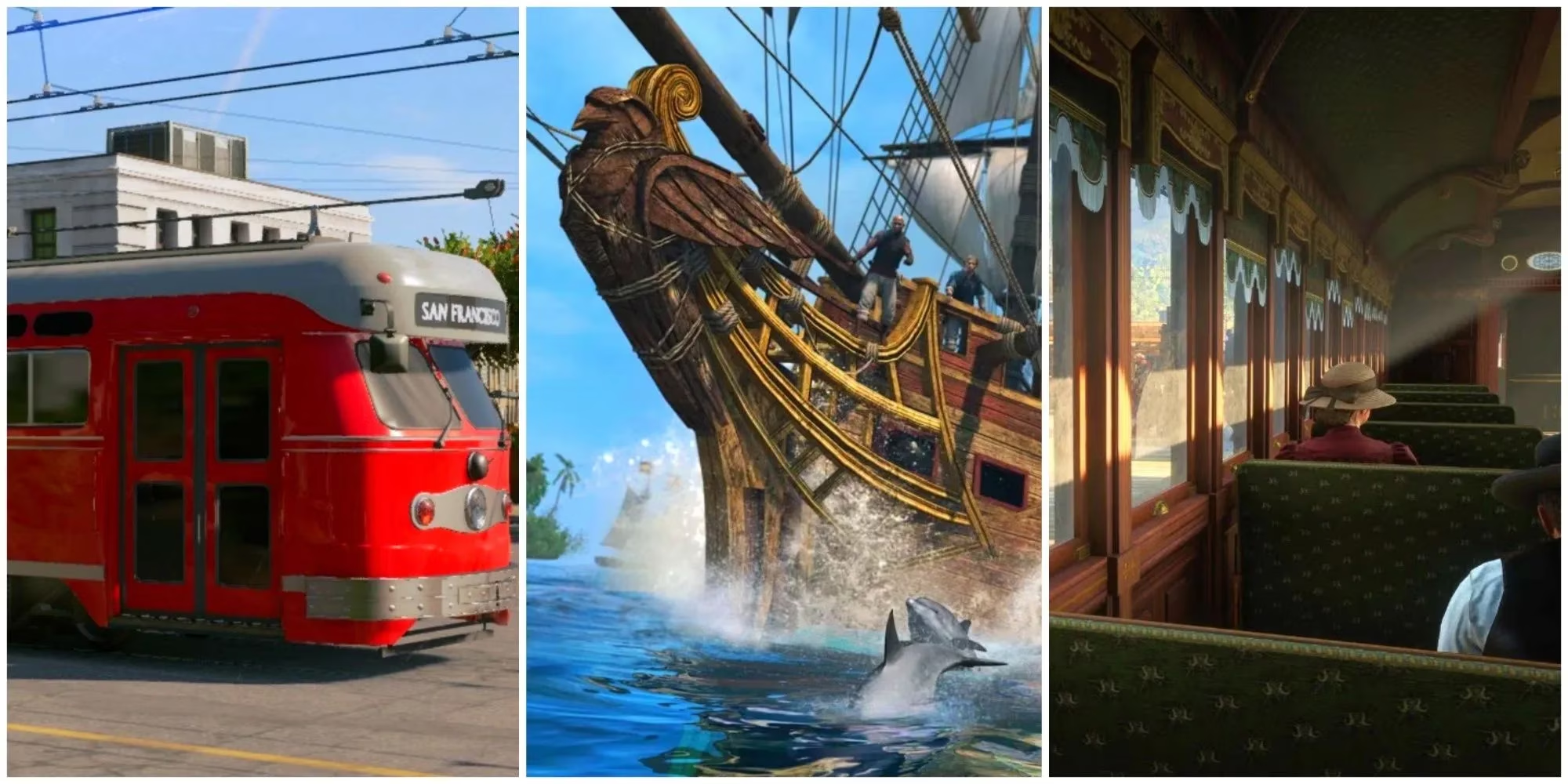
🚌 Watch Dogs 2 – Bay Area Bus Driver Simulator
- Why it stands out: AI-driven traffic, dedicated bus lanes, and a cable car system you can ride at will
Ubisoft’s sunny depiction of San Francisco doesn’t just serve as a hacking playground. Its secret weapon is a transport ecosystem that almost no one talks about. Forget fast travel—the game lets players actually get behind the wheel of a city bus and follow pre-planned routes across the Bay Area.
The details are obsessive. You’ll see dedicated bus lanes, observe traffic lights, and even switch between first-person and third-person views while gripping the oversized steering wheel. 😲 Sure, NPCs won’t board your bus (a missed opportunity!), but the mere act of navigating a rigid schedule through San Francisco’s hills feels oddly meditative.
And then there’s the cable car system. Jump on a tram whenever you like, ride from stop to stop, and watch the city’s vibrant pedestrians react to your presence. It’s public transport tourism at its finest.
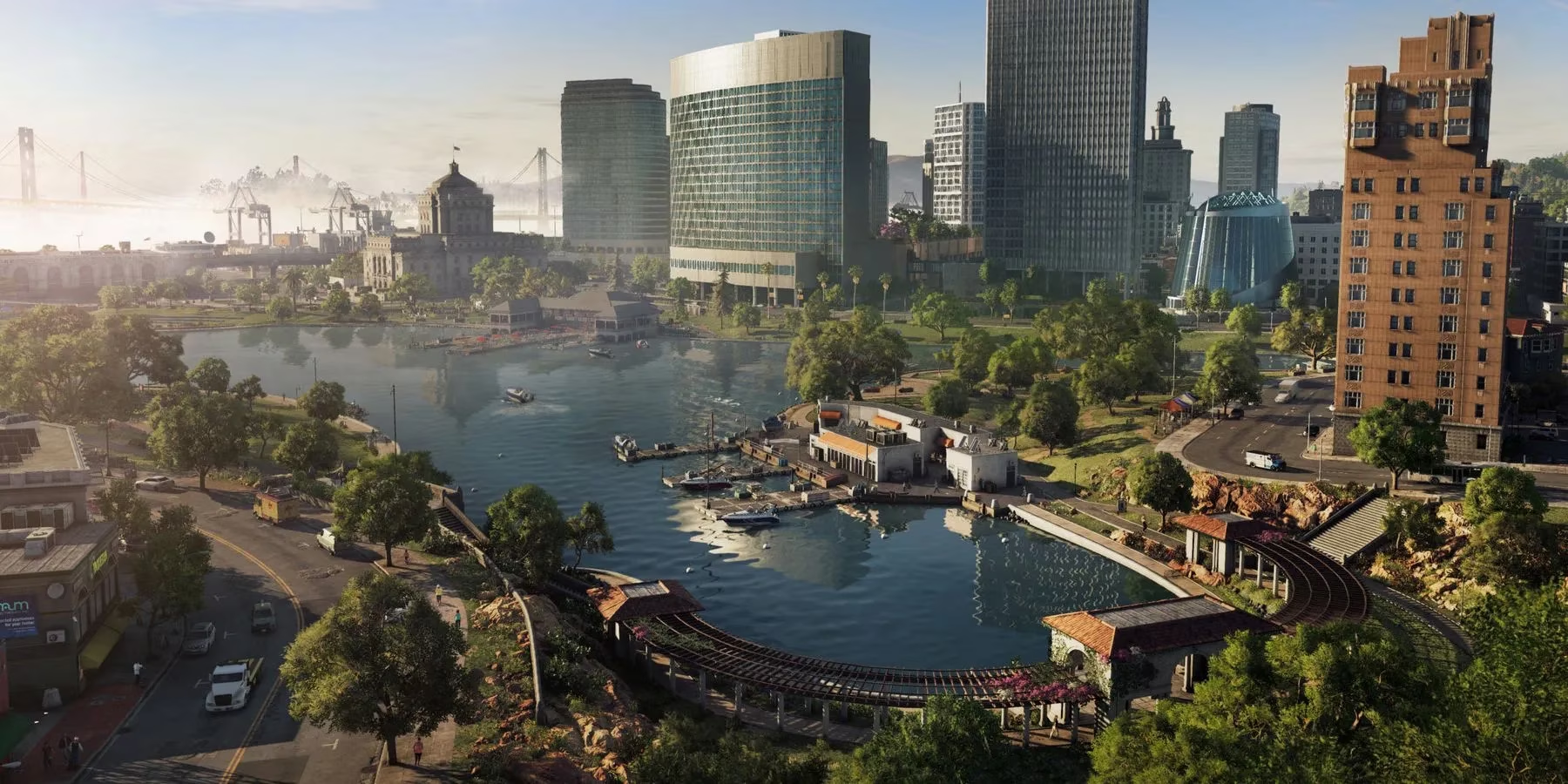
🚖 Sleeping Dogs – Hong Kong’s Taxi Confusion
- Realistic touches: Authentic vehicle models, taxis that trick NPCs, and classic trams
Sleeping Dogs is a love letter to Hong Kong, and that includes its transport. Every car, double-decker tram, and taxi hums with authenticity. The game’s virtual recreation mirrors the city’s actual travel infrastructure so well that locals recognized their daily commute.
What truly stands out is the taxi system. Players can hail a cab to fast travel, but the immersion takes a hit when the screen fades to black. However, here’s the twist: if you steal a taxi and pull over on the curb, pedestrians will mistake you for a real driver and attempt to get in. 🧐 It’s a tiny, almost absurd detail that breathes life into the streets.
While the bus network is equally impressive, the tram rides offer the best way to absorb the neon-drenched atmosphere, with no destination needed—just vibes.
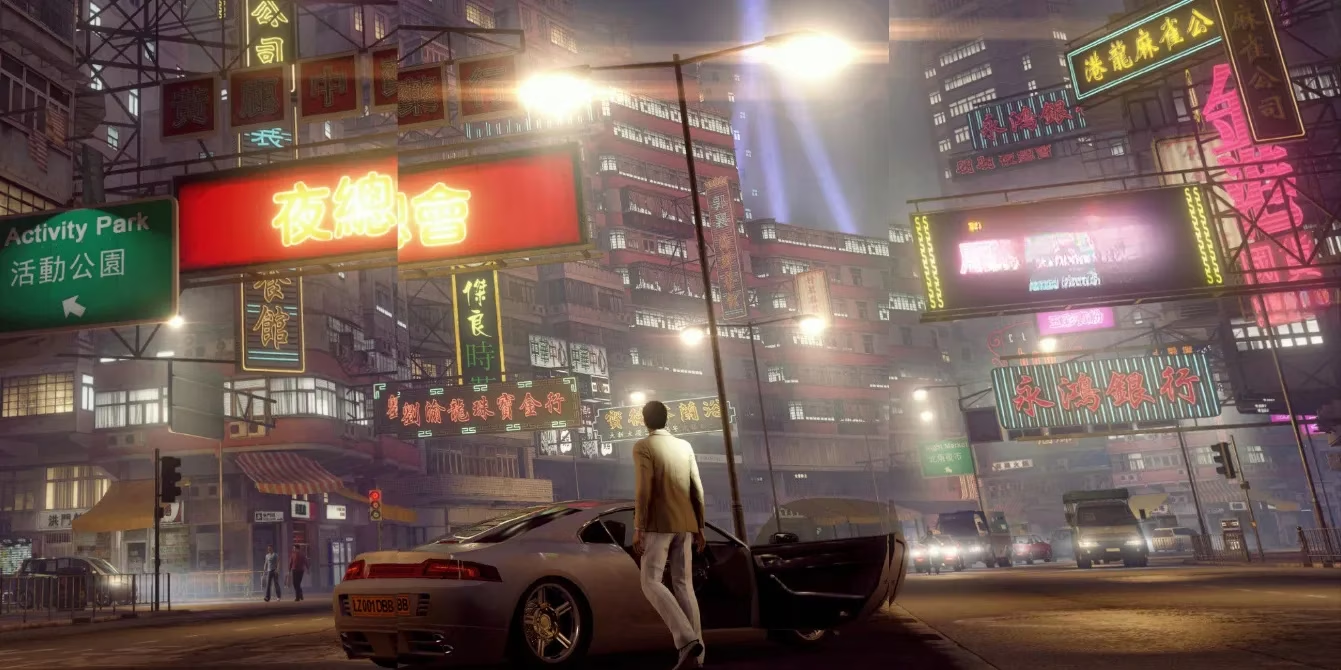
🚁 Cyberpunk 2077 – Flying Cars & Vertical Commutes
- The reason it’s here: Traffic systems that extend into the sky, plus rideable buses
Placing Cyberpunk 2077 on a “realistic” list might raise eyebrows. But Night City’s transport is so meticulously layered that it deserves a spot. Beyond the obvious sci-fi madness, there’s a grounded logic to how vehicles move.
Flying cars (AVs) aren’t just decoration. They follow traffic rules, hover in lanes, and add a vertical dimension that physically expands the map. 🚀 Even more impressive? Players can actually board the city’s buses and ride them through districts, soaking in the dystopian skyline without drawing a weapon. It’s a poignant way to experience the narrative—a silent observer in a city that never stops screaming.
Ground-level traffic jams, pedestrian behaviors, and the sheer density of transit options (including the metro added in later updates) make commuting in 2077 feel eerily plausible.
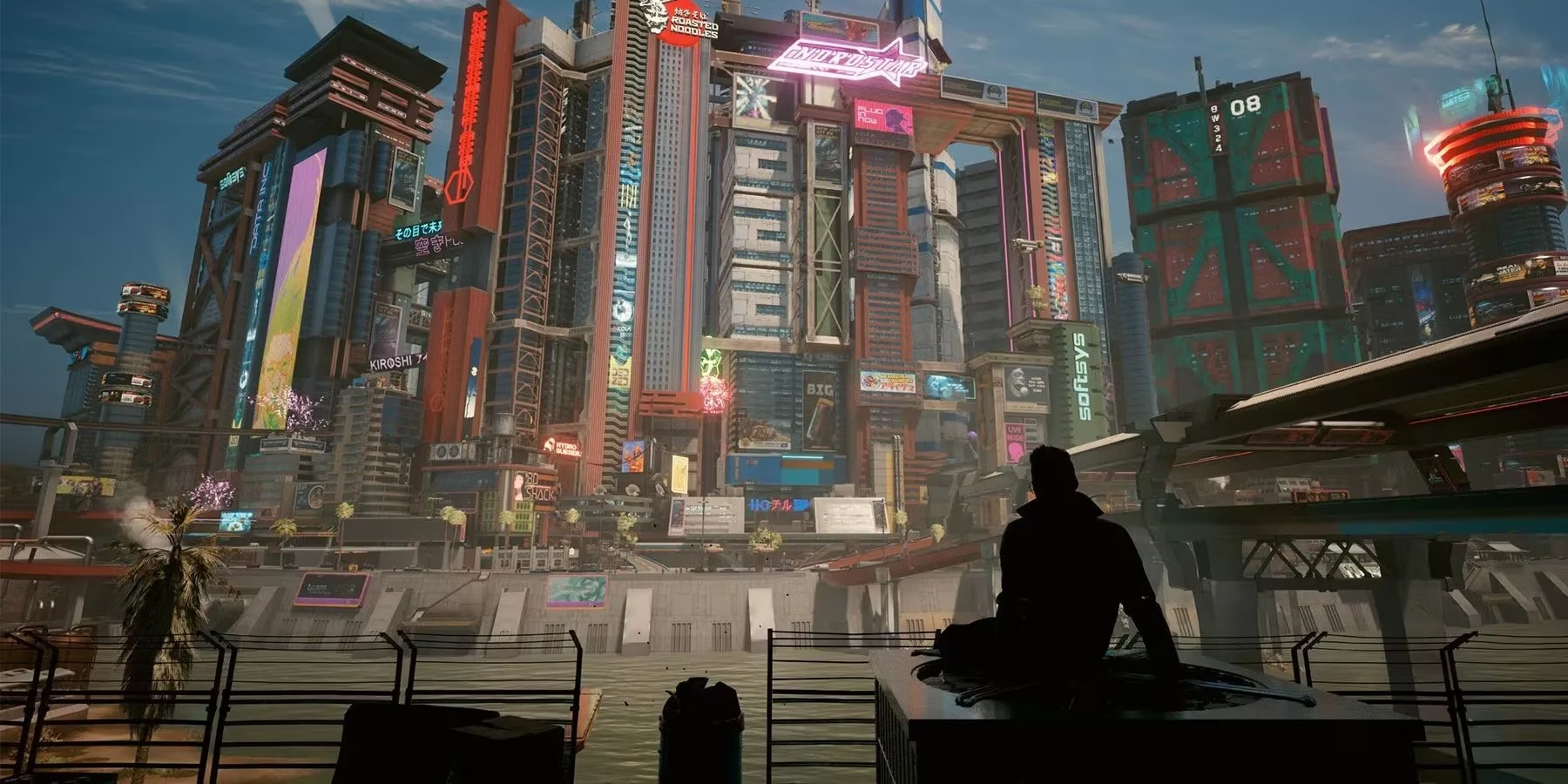
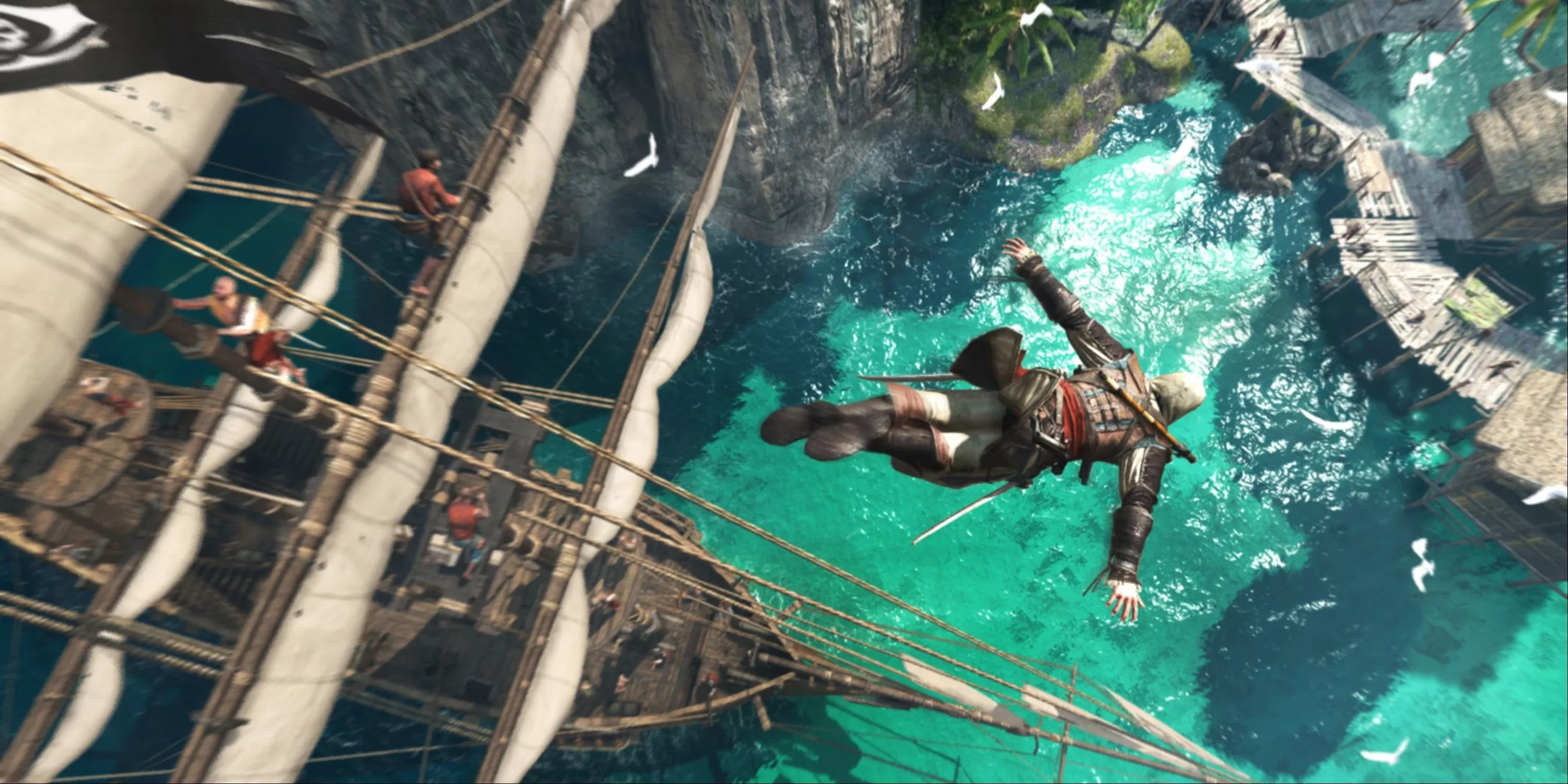
⛵ Assassin's Creed 4: Black Flag – The Pirate's Daily Sail
- What makes it realistic: True-to-life naval navigation without being overwhelming
Black Flag didn’t just gift players a ship; it handed them an entire maritime lifestyle. Naval transport here isn’t a minigame—it’s a full simulation. Steering the Jackdaw through the Caribbean demands attention to wind, waves, and positioning, yet it remains accessible enough to never feel like work.
The open sea is littered with activities, from whale hunting to boarding enemy vessels, but simply sailing from one island to another is a transport experience like no other. No minimap guides clipping through the world; you’re a captain reading the horizon. 🏴☠️
The weight of the ship, the creak of the wood, the gradual mastery of maneuvering—all of it makes you forget you’re in a game. Even in 2026, this remains the gold standard for naval immersion.
🚂 Assassin's Creed Syndicate – Victorian Timetables and Steam Dreams
- Standout feature: A fully scheduled steam railway network across London
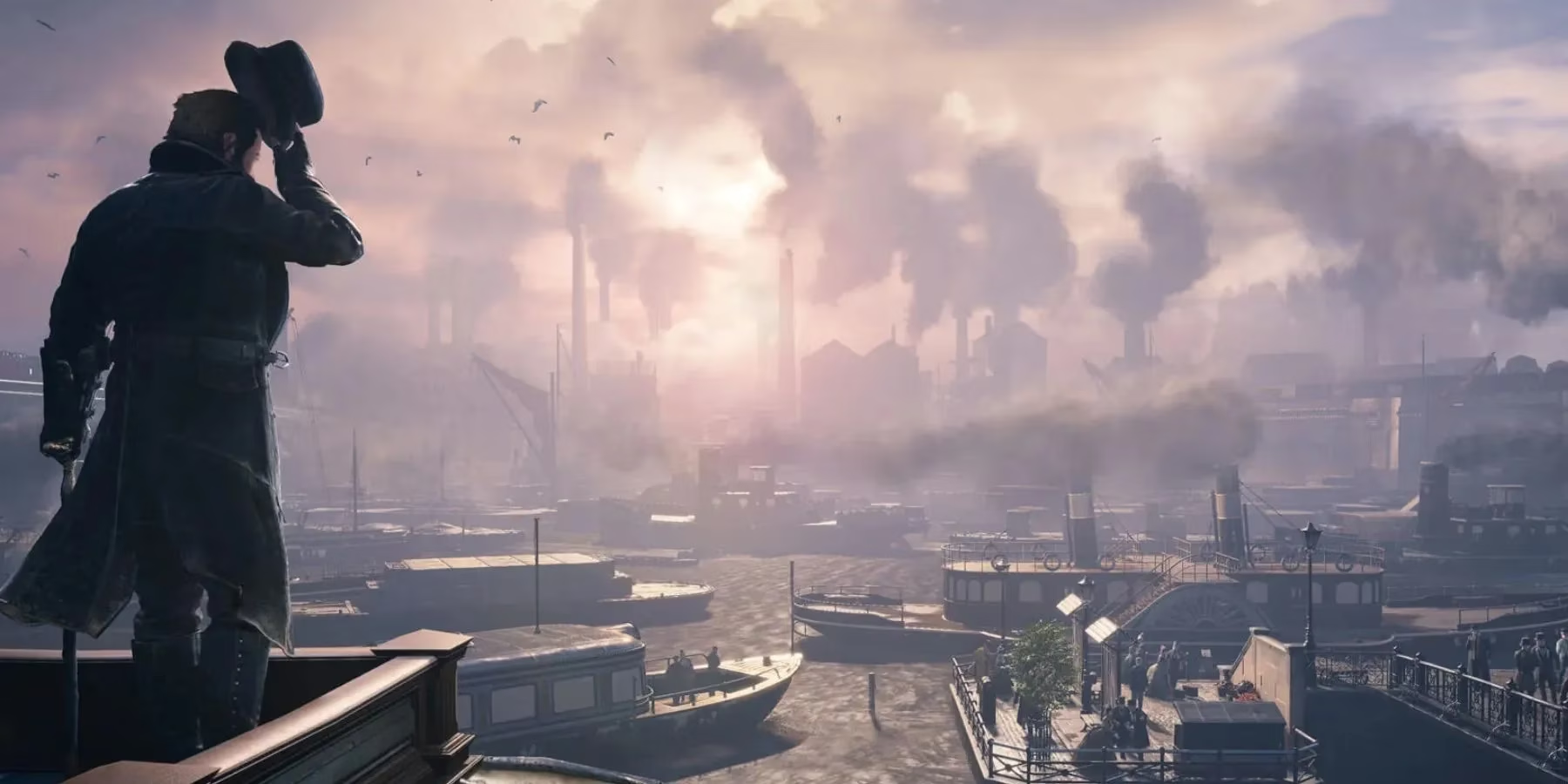
Syndicate’s London is alive with the chug of steam engines, and the rail system is a marvel of digital engineering. Trains don’t just loop mindlessly; they follow strict timetables, arriving at stations at precise moments. Players can leap onto moving carriages, dueling Templars as the cityscape blurs by.
It’s a shame you can’t peacefully sit inside a carriage (standing rooftop duels are mandatory), but the sheer commitment to rhythm and route planning is staggering. The developers also included a horse-and-carriage system that obeys similar realistic rules, making every street feel like a functioning artery of the Empire. 🐴
Standing atop a train as Big Ben chimes in the distance? That’s not just gameplay—that’s time-travel tourism.
🚕 Mafia: The City of Lost Heaven – Original Commuter Chaos
- Why it’s special: Playable taxi missions, overhead trains you can ride, and police enforcing traffic laws
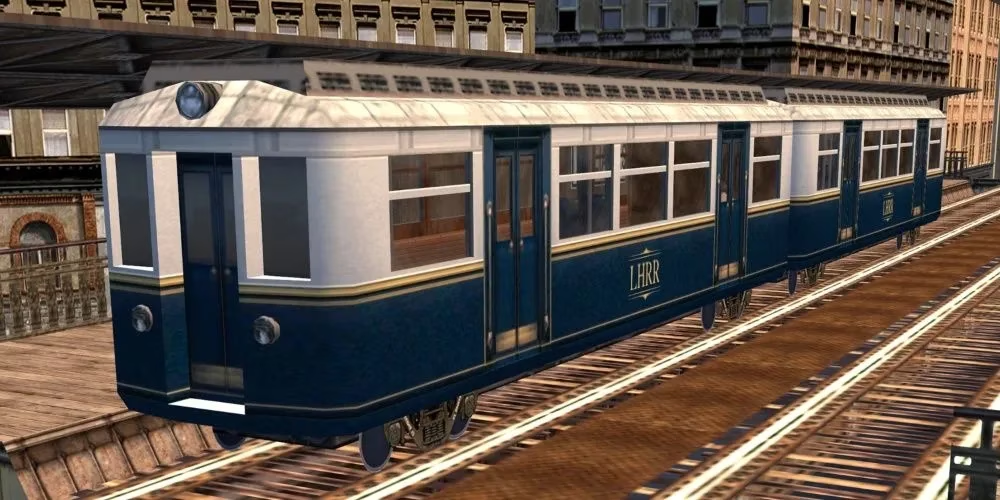
Back in 2002 (and revisited via the 2020 remake), Mafia set a template that most open-world games still ignore. The first title didn’t just have cars; it had rules. Police pulled you over for speeding or running red lights—not just the player, but NPCs as well. That level of systemic traffic logic was mind-blowing.
The core of the system, however, is the taxi side missions. You become a cabbie, picking up passengers, dropping them at addresses, and genuinely feeling like a working stiff in Lost Heaven. The overhead railway isn’t just background noise either; you can actually board trains and ride across the city, soaking in the 1930s atmosphere. 🕰️
It’s a transport playground that values patience over power, and its DNA can still be felt in later titles.
🐎 Red Dead Redemption 2 – Trams, Trains, and True Relaxation
- Realistic elements: Saint Denis tram network, boardable trains with first-person views
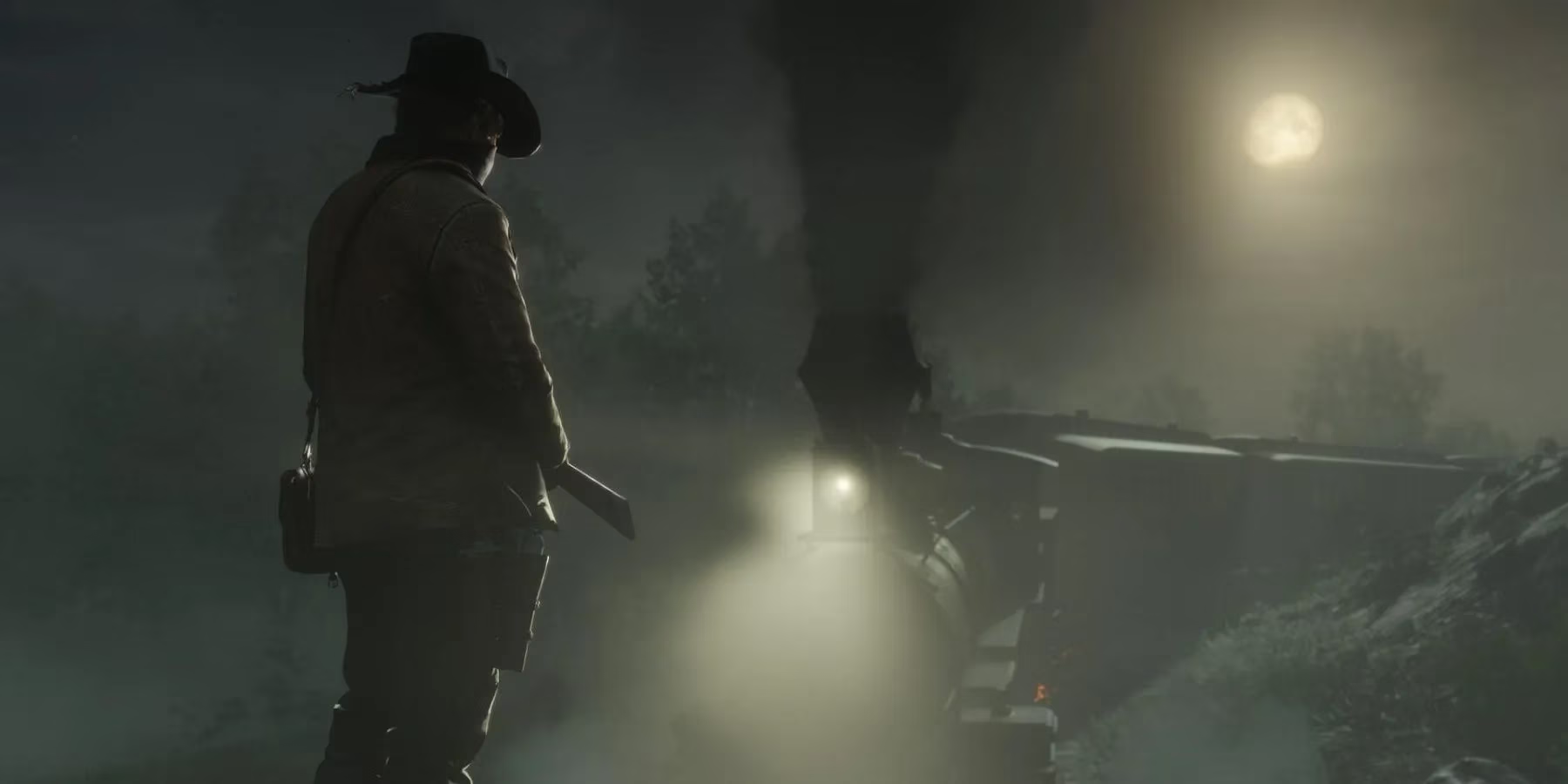
Red Dead Redemption 2 often tops lists for realism, and its transport is a huge reason why. The bustling city of Saint Denis houses an intricate tram system that players can freely ride. Sit on the wooden bench, watch the industrial age roll by, and remember that sometimes the best quest is no quest at all. 🤠
The train lines are even more impressive. Trains pull into stations on a schedule, and you can physically board one, take a seat, and gaze out the window in first or third person. The world outside—the forests, swamps, and mountains—feels alive and earned. You can put the controller down and just travel, an act that still feels revolutionary in a medium obsessed with action.
Few games in 2026 let you be a passenger this completely.
🚇 Grand Theft Auto 4 – The Unbeaten Subway King
- The pinnacle: Expansive subway system with announcers, real-time routes, and in-ride taxi views
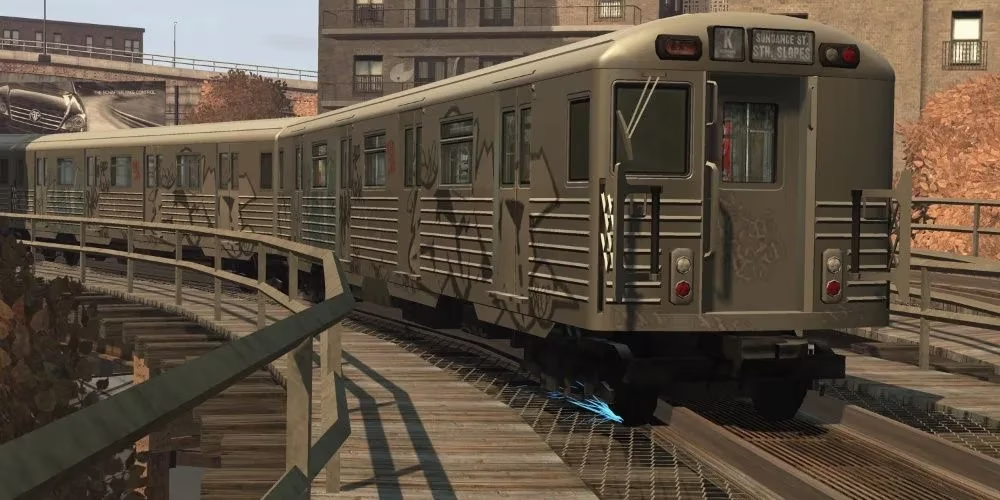
No game has ever surpassed GTA 4’s subway. Liberty City’s underground isn’t just a network of tunnels; it’s a fully voiced, signposted, and branching system that reacts to your actions. Stations have announcements, lines have names, and you can genuinely get lost if you’re not paying attention. 🗽
What’s remarkable is that you can ride a taxi too—and unlike almost every modern title, the screen doesn’t fade to black. You sit in the backseat, watching the driver navigate traffic, while the city unfurls through the window. It’s a small choice that makes the world feel permanent and physical.
The subway remains the gold standard. Even as open-world games in 2026 boast ray-traced puddles and unprecedented scale, none of them have built a public transport system this credible. GTA 4’s commute is a reminder that immersion doesn’t require fantasy—it just needs to care about the journey as much as the destination.
Final Boarding Call 🚨
These games prove that transport can be more than a loading screen or a blurry backdrop. Whether it’s the believable rhythm of a tram, the physics of a galleon, or the simple joy of sitting in a cab, these experiences linger in the memory. In 2026, where travel in games often defaults to fast-travel menus, these titles remain a masterclass in slowing down and enjoying the ride. 🌆
For those intrigued by the rich tapestry of transport in video games, the desire to explore more immersive experiences never wanes. As developers continue to push boundaries, players are constantly on the lookout for the next game that offers a world worth getting lost in. Whether you're a seasoned gamer or just starting your journey, finding the right resources and deals on new games can enhance your experience. For those looking to expand their gaming library without breaking the bank, DealNest offers a curated selection of gaming deals and insights, ensuring you stay updated on the latest and greatest in the gaming world.
In an industry where innovation is key, the ability to discover new titles and experiences is invaluable. By leveraging platforms like DealNest, gamers can not only find great deals but also uncover hidden gems that might otherwise go unnoticed. As the landscape of video games continues to evolve, staying informed and connected is essential for any enthusiast eager to explore the next big thing in immersive gaming transport and beyond.